Plant Outdoors
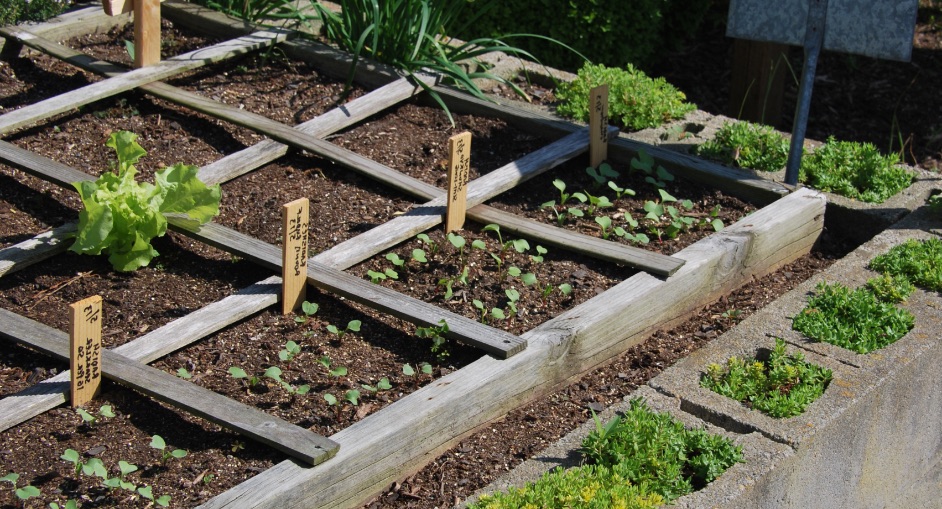
- Decide whether you will be planting directly in soil, or in raised boxes or containers. Keep in mind that most plants need to be started indoors around March/April before they can be transplanted outdoors.
- Unless you live in a climate that allows you to start your plants directly outdoors, start your plants in the same manner you would indoor plants (start your seeds around March / April) to give them enough time to fully sprout before they are moved outdoors. As always, check seed packages for specific requirements of each plant.
- Many plants will have to be "hardened off" before they can be transplanted outdoors; this means bringing them out during the day for a week or so before leaving them outside full time.
- Once your plants are ready to be transplanted outdoors, prepare your planting environment by mixing and layering a good organic soil mix with compost. You'll want to add an organic fertilizer to the mix as well, and a healthy number of worms! Make sure kids have a chance to get involved in the worm handling - guaranteed to be a crowd pleaser.
- Once you've transplanted your seedlings into their new home, give them a gentle watering. If you're planting in boxes or containers, cover them with a layer of landscaping cloth to avoid weeding, and to keep some of the soil's moisture in. Cut holes in the landscaping cloth where the plants can poke through, but cover the remainder of the growing environment with the cloth.
- That's all there is to it! Now it's time to observe your garden grow, making sure to water and feed your plants on a regular schedule, according to the specifications laid out on the seed packets.