Themed Gardens
Available space and climate will limit what you can grow at home, but that doesn't mean you can't be creative! Below is a list of a few different ideas that will transform your garden from ordinary to awesome:
OUTER SPACE: Use bamboo canes to construct a "rocket ship", and then grow vines up the sides. Or, hang some hand-made stars and planets from the canes and surround the bamboo with "cosmic plants": cosmos, rocket flowers, moonflowers, the sky's the limit! Another alternative is a "Terrarium from Outer Space!" Check out this video below from Rainbow Hype for an awesome DIY project to do at home with the kids.
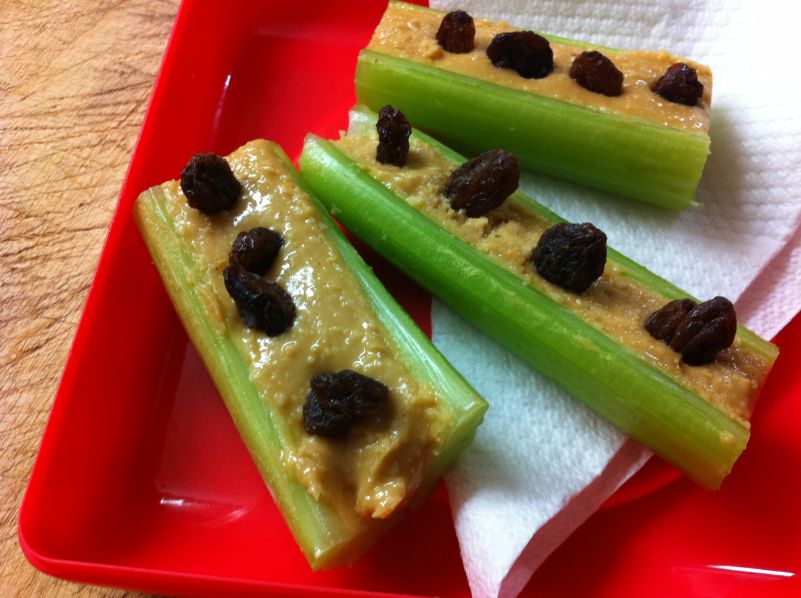
FROGS ON A LOG : Choosing a particular snack or meal as your "end goal" gives a whole new meaning and focus to your garden. Frogs on Log is a great example of how to make growing food fun! There are three main components to the familiar snack frogs on a log. Celery, raisins and peanut butter (can be made with other types of nut butters if your child has peanut allergies). Celery is one of the simplest vegetables to grow; click here for super simple instructions on how to grow celery at home in a container. Nut butters are easy to make at home, and they're a great project to do with kids. Simply add natural, unsalted nuts to the blender with a little water, and blend until you've reached your desired consistency. Next: make your "frogs" (raisins) using a dehydrator--or by placing them on baking sheets in a low-temperature oven. There you have it! A homemade snack that will not only teach your children how to grow vegetables at home, but also bring them into the kitchen and understand that "Kraft" isn't the only type of peanut butter there is.
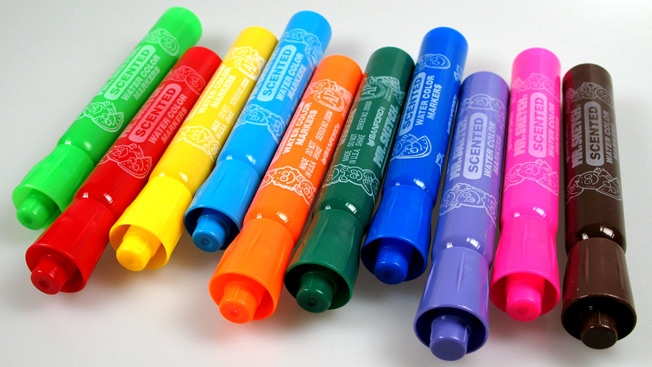
MR. SKETCH: If your child is wild about smells, why not build a garden that would make even Mr. Sketch jealous? A garden filled with plants like lavender, lemon thyme, mint, lemon balm, and scented geraniums is amazing when in full bloom. Plus, not only do herbs and scented flowers smell great when in bloom, they can also be dried and used in cooking or made into potpourri and given out as gifts.
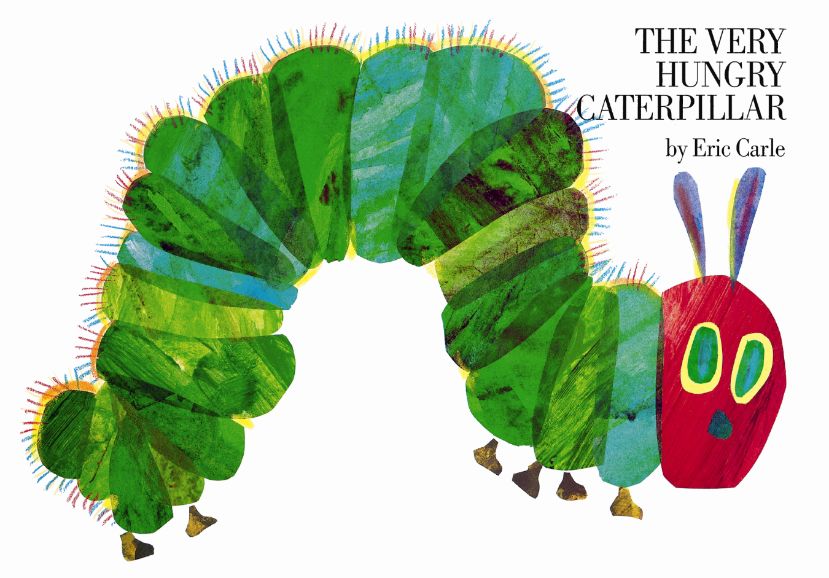
BUTTERFLY BUFFET (Outdoor only): Create a garden that features plants which are known for attracting butterflies. Not only will you be able to watch as your garden becomes a gathering place for these beautiful creatures, you'll have a great opportunity to talk to your children about the life cycle of a caterpillar, and the transformation it makes into a butterfly. Flowering plants like lavender, lilac, sage and hollyhock all attract butterflies and would be great additions to this type of garden.
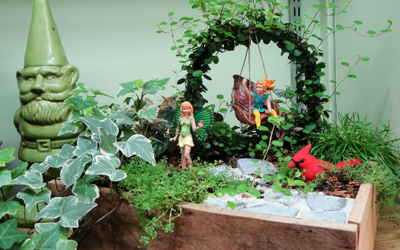
FAIRY GARDEN (Best for Indoor): If you're growing your garden indoors, this is a great option. Think SMALL. Choose plenty of low-growing, tiny-leafed plants and those with hanging bell shaped flowers (after all, that's where the fairies hide). Create a "carpet" for the fairies to dance on made of thyme and mosses. Best of all, add a hollow stump with a hole doorway at the base. Not everyone will spy the fairies that will visit this magical garden, but if children keep a close enough eye on the magical plants growing in their garden they just might get a glimpse of Tinkerbell and her fairy friends!
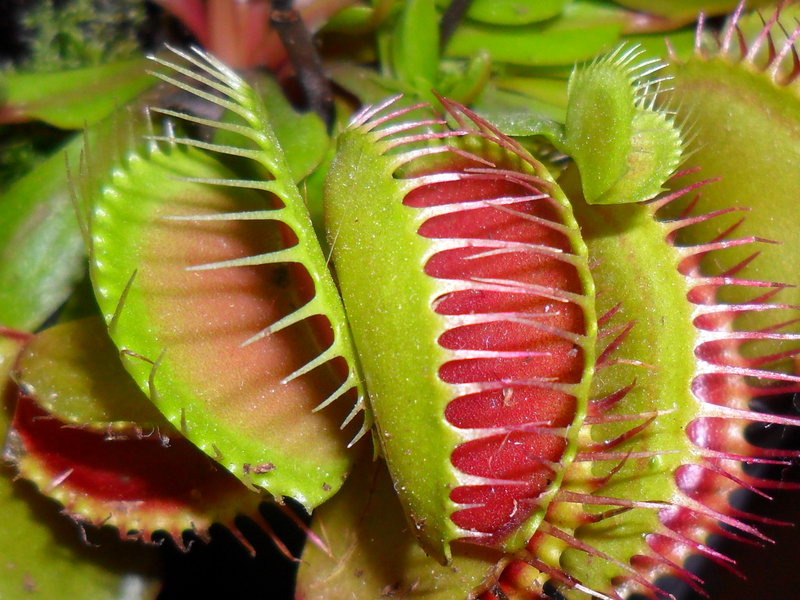
MOVERS & SHAKERS : Plants do things! Plant a garden that includes only plants that are active in some way. For example, a Mimosa has leaves that collapse when touched; the impatiens seed pods explode when touched; the moonlight tepee features night flowering or smelling plants. Others plants that "do things" include: the sensitive plant ( its leaves collapse when they're touched), lady's mantle (tiny hairs make water droplets shine like jewels), love-in-a-puff (makes a ball shaped puff, and the seeds inside have tiny heart marks), the compass plant (leaves line up north and south), and the portulaca (opens when the sun shines and closes when it's cloudy).
ALPHABET
GARDEN: If you have room in your garden for 26
plants, work with your children to find 26 different types of
plants, each starting with one letter from the alphabet (1=A, 2=B,
3=C etc.) From asters to zinnias, locate flowers and vegetables to
fill the alphabet and your garden! This is a good exercise for
school-age children.