Tips For Growing Outdoors
TIPS FOR GROWING OUTDOORS:
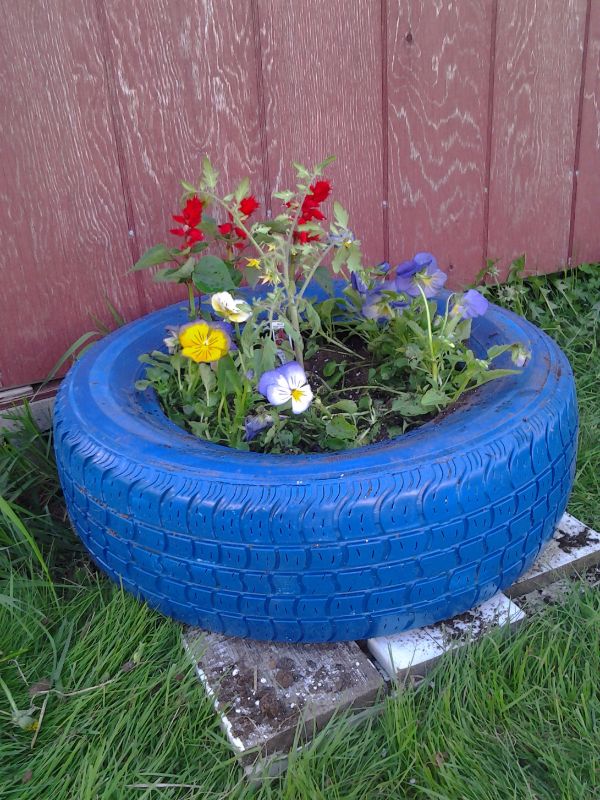
- Put the Garden Where They Will See It: To start the garden, pick a sunny spot in the backyard near where the kids play or often walk by. The more they see their garden, the more they'll notice changes. Keep the space to about no more than about 4' x 4'. If you don't have a yard, you can still have a garden in pots on a patio, containers or in raised beds. Get creative with the planter containers you use! Old sinks, toilets, tires...anything goes. Make it even more fun for kids by allowing them to paint and decorate their planter containers.
- Kids love playing with dirt . So let them! Give kids a chance to help you prepare the soil, even if all they are capable of is stomping on the clumps. Kid sized tools will make them feel even more a part of the project. You can also teach kids about mulching and composting, by letting them spread grass clipping and shredded leaves around their plants to conserve water and help feed the plants. Also: don't forget to point out any interesting insects. Caterpillars, worms and other creepy crawlers are great excuses to learn about life cycles and ecosystems.
- Make it "Theirs". Mark each plant with their name and the tag or the seed packet it came with, so that the kids can see what the flowers or vegetables will look like. Also make a sign for the whole garden with the child's name, so everyone can see that it's their garden.
- Let them Use "Grown up" Tools: Cheap plastic children's gardening tools are worse than no tools at all; they break easily and can get become very frustrating for the user. By letting children use "grown up gardening tools, you're acknowledging the importance of the work they're doing.
- Kids also Love Playing with Water: Playing with water is right up there with playing with dirt. Provide children with a small watering can to use on their garden, and show them how to gently let the water go right to the roots of the plants. Avoid hoses because you'll just be asking for trouble! Depending on the age of your children, hoses are generally too heavy for little hands to control.
- Plants need light!: Arrange containers so that all the plants get as much sun as they need (most plants require 6-8 hours of direct sunlight every day). Same goes if you decide to plant directly in the ground: plant in an area of your yard that gets enough sunlight, is somewhat protected from wind, and where the soil has no chance of contamination.
- Start from seeds: While it's often more convenient to buy starters, children will learn more by seeing the growing process as it begins, from seed. The care given to sprouting seeds and nurturing the young seedling are a valuable part of the gardening experience. Seeds will need to be started indoors in a warm room and once sprouted they can be transplanted into pots until ready to set out, or they can be placed into a cold frame which is set on top of the garden bed.
- Landscaping cloth is life saver when planting outdoors. Cover your planter boxes or containers with a layer of landscaping cloth (leaving small holes where the plants will poke through) to minimize the amount of weeding you'll need to do, and to keep moisture locked in to your soil.