Creating Habits
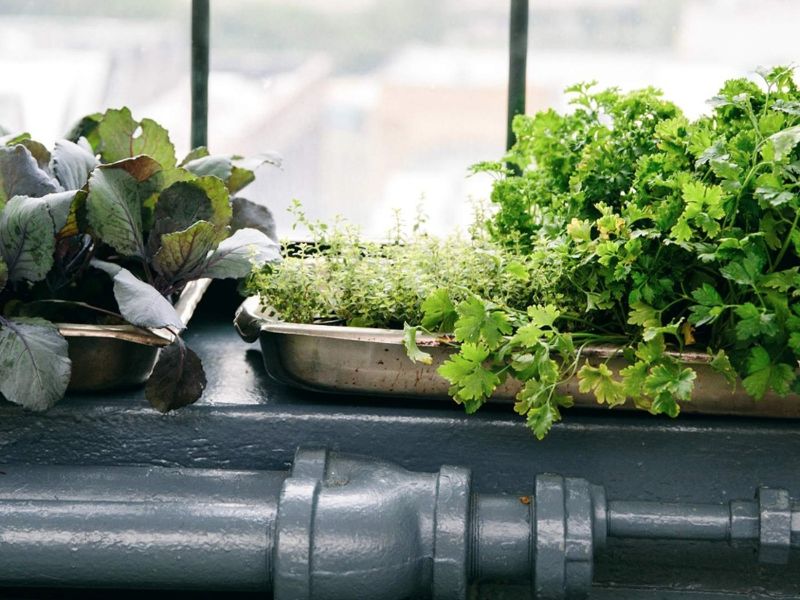
"By building an "edible wall" to grow fresh vegetables in
our science classroom, I gave the kids a reason to come to
school."
- Stephen Ritz
School gardens have the ability to influence the social and emotional development of students. Studies have shown that students who have the opportunity to participate in a classroom garden demonstrate increased self-understanding and improved ability to work in groups (Robinson & Zajicek, 2005). Increases in maturity, responsibility and interpersonal skills have also observed (Hung, 2004).
As the teacher, think of the classroom garden as an experiential learning tool that you can use and adopt to support social and behavioral development in students, as well as a means of fostering students' environmental awareness and appreciation.
Gardens also provide an excellent platform for cooperative activities involving students, teachers, and parents. Creating situations for positive bonding experiences between students and adults will have lifelong effects, including an ease in connecting with their peers and adult mentors later in life.
Here are just a few of the behaviors that can be fostered through activities involving the classroom garden.
Empathy:
- When students participate in hands-on gardening activities they demonstrate more concern and willingness to care for living things.
- Differences can be made in student's attitudes towards school and the interpersonal relationships they have with their teachers and other students.
Respect for Nature:
- Your students likely spend more free and structured time indoors, and less overall time outside, meaning there is a strong possibility that they have become "disconnected" from nature in many ways. Having students take part in the process of growing and caring for a garden provides an amazing opportunity to expose students to the wonder of nature, and hopefully will instill in them a sense of environmental stewardship and respect for nature that will remain present throughout their lives.
- The same can be said about the foods students eat on a daily basis. Gardens are the perfect way to expose students to where their food comes from. Gardens can be a means of teaching students about how food grows, how agriculture today is different from the way it was in previous generations--both positively and negatively.
Curiosity:
- Trying new things like gardening teaches kids to take risks, thereby extending their experiences and abilities.
- A garden is the perfect setting for students to let their imaginations run wild. Encourage student's curiosity by trying to grow different types of plants, encouraging students to embrace failures as opportunities for learning, and allowing students to question established theories and methods related to gardening.